
New Product Development Research for FMCG and CPG Brands
8 min read
Most new FMCG launches do not fail because the product is bad. They fail because the product solves a problem the shopper did not have, arrives at a price the shopper would not pay, or sits on a shelf where nobody notices it.
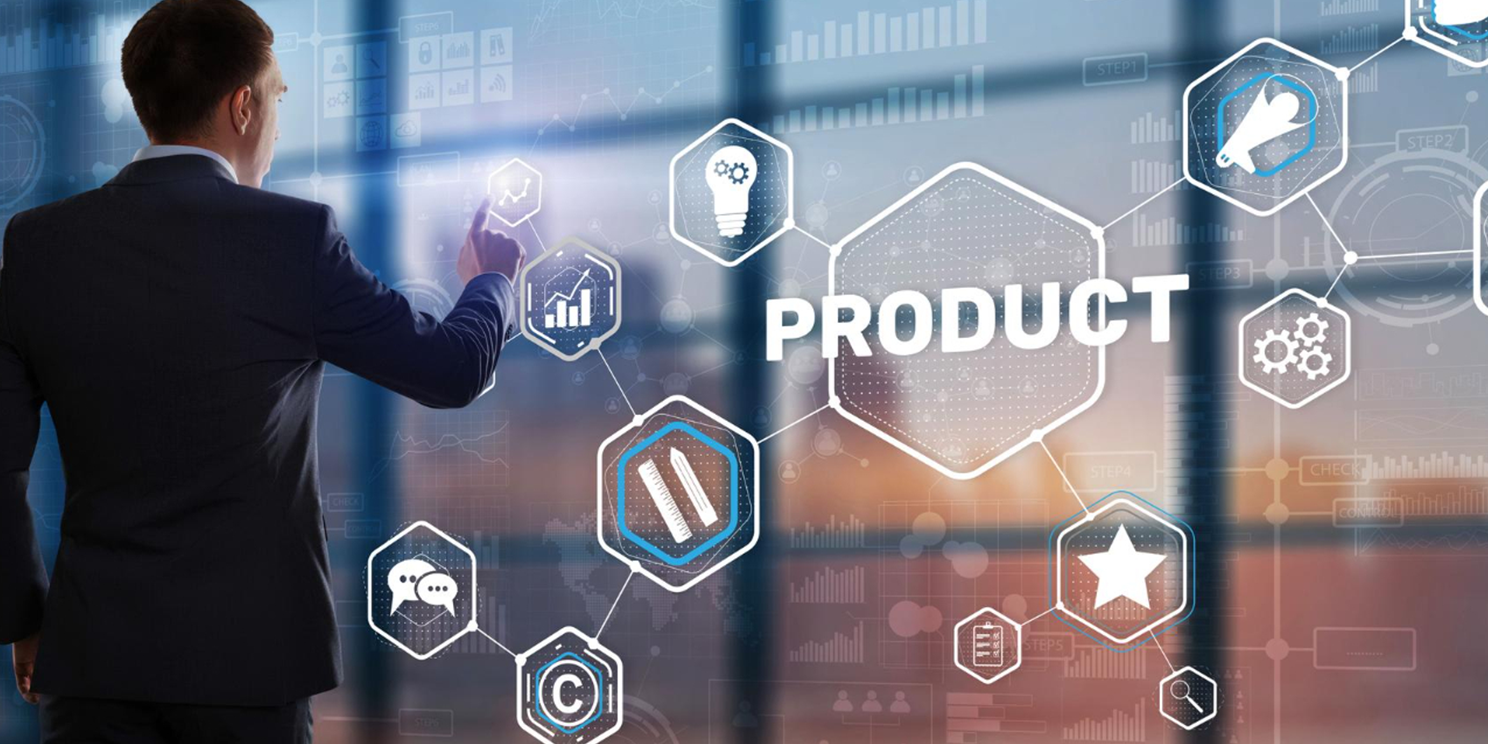
Each of those failures was visible before launch. A few hundred well-chosen conversations, a properly designed concept test and a realistic read on trial and repeat would have flagged the risk. The brands that avoid expensive misses do not have better instincts. They have a research habit that runs from the first idea to the first quarter on shelf.
This guide explains how new product development research works for FMCG and CPG brands, what to ask at each stage and how to move faster without losing rigour.
Why new product development research matters more in FMCG
Packaged goods launch in crowded, low-margin categories. Shelf space is limited, retailers expect fast velocity and shoppers decide in seconds. A new product has a short window to prove itself, and delisting can happen within a couple of quarters.
The cost of a miss is also higher than it looks. It includes formulation, packaging, trade spend, media and the management time spent on a product that quietly gets pulled. New product development research moves the learning to the cheapest point in the process, which is before the factory line is set up.
Research also protects against a subtler problem. Internal teams fall in love with ideas. A founder likes the flavour, a marketing head likes the pack, an R&D lead likes the formulation. Shopper evidence gives everyone a shared reference that does not depend on whose opinion is loudest.
Stage one: find the opportunity before you design the product
The strongest launches start with an unmet need, not a product. Early-stage research looks at the category and the shopper to find gaps worth filling.
Useful questions at this stage are simple. What do people use today, and what annoys them about it? Which occasions are poorly served? Where do shoppers compromise, for example by mixing two products or adding something at home? What do they say they wish existed?
Open-ended survey questions, short interviews and conversational research on messaging apps work well here. The goal is not to count opinions. It is to hear the language shoppers use, because that language often becomes the product brief and, later, the pack copy.
Pair this with market data. Sales trends, search volumes and review text show whether a need is growing or fading. A gap that only a few people describe, and that data does not support, is a hobby project. A gap that appears in both places is a candidate.
Stage two: shape and screen ideas
Once you have a set of opportunity areas, teams usually generate many ideas. The next job is to cut the list without killing a good idea by accident.
A quick screening survey exposes each idea to a sample of target shoppers in a simple, consistent format: a short description, an image if available and a price range. Measure appeal, relevance to their life and likelihood to buy. Keep it light, so you can test fifteen ideas, not three.
Look at the pattern, not only the top score. An idea with a high average and strong opinions from your core buyers is worth more than one with a slightly higher average that nobody feels strongly about. Segment the results. A concept that wins with younger urban households and loses elsewhere may still be a strong launch if that group is your target.
Stage three: concept testing and refinement
Concept testing is the heart of FMCG product research. You take the shortlisted ideas, present each as a realistic concept board and measure the reaction in more depth.
A good concept board has a clear name, a one-line benefit, a short description of what the product is and does, a visual and a price. Shoppers cannot react to what they do not understand, so clarity matters more than polish.
Core measures include appeal, relevance, uniqueness, believability, purchase intent and value for money. Diagnostic questions explain the scores. What did you like most? What put you off? What would you change? Open-ended responses are where the fixes live, and they are also where AI-assisted text analysis saves the most time, since thousands of comments can be grouped into themes within hours.
Test more than the idea. Test variants of the claim, the name and the price. A small change in wording, such as "high protein" versus "keeps you full for longer", can shift how a concept lands with the same audience.
Stage four: product, pack and price testing
A strong concept can still fail in execution. Product testing checks that the real thing delivers on the promise. In a blind or branded in-home use test, shoppers try the product and rate taste, texture, usage experience and repeat intent. A product that overpromises in the concept and underdelivers in the mouth will see trial turn into disappointment.
Pack research asks different questions. Does the pack stand out on a crowded shelf or a small phone screen? Does it communicate the benefit in two seconds? Does the size suit the household or the occasion? Visual and shelf-simulation tests give early reads before artwork is finalised.
Price research is where many teams lose the most value. Rather than asking "how much would you pay?", use methods that force trade-offs, such as price sensitivity questions or choice-based exercises that show how demand moves as price changes. The aim is to find the range where the product feels fair to the shopper and profitable to you.
Stage five: forecast trial and repeat
Volume forecasts for FMCG rely on two numbers: how many people will try the product and how many will buy it again. Concept and product tests supply inputs for both. Appeal and purchase intent inform trial. Product satisfaction and repeat intent inform repurchase.
Research-based forecasts are never exact, but they give a defensible range. They also help set the right distribution and media plans. If trial intent is high but repeat intent is low, the problem is the product, and more advertising will only speed up the disappointment. If the reverse is true, the product is good and awareness is the issue.
Stage six: learn from the launch
Research does not stop at the shelf. A post-launch tracker reads awareness, trial, repeat and satisfaction in the first months, and compares them to the pre-launch forecast. Where the gap is large, the diagnosis is usually faster than guessing, because you already have a baseline.
Record the learning. Teams that keep a library of past concepts, scores and outcomes build a benchmark over time. A new concept can then be compared not only to its rivals, but to every concept the company has ever tested.
Common mistakes in FMCG product research
A few errors show up again and again. Testing with the wrong sample is the most common, for example asking general shoppers about a product built for a narrow niche. Overly polished concept boards that hide a weak idea are another. Treating purchase intent as a prediction is a third, because stated intent always overstates real behaviour and must be adjusted.
Another frequent problem is speed. If each research step takes weeks, teams skip steps or test too little, and the benefits of research disappear. The remedy is to shorten the cycle, not the rigour.
How AI speeds up product innovation research
Much of the delay in product research sits outside the thinking. Questionnaires take time to draft, surveys take time to programme, data takes time to clean and reports take time to build.
InsignAI is an AI-native market research platform that automates these stages in one workflow. Its dedicated Market Research LLM helps turn a product brief into a structured questionnaire. Real-time monitoring flags low-quality responses while the study is in the field. Analysis covers numeric data and open-ended text, and dashboards and reports are produced from the results.
For an FMCG team, the practical gain is more iterations in the same calendar window. Instead of one concept test before a launch, you can run a screening round, a refinement round and a final validation. Researchers keep control of methodology and interpretation, and spend more time on the decision itself.
Test your next launch before the shelf does
Every FMCG launch is a bet. Research lets you place it with better information. We helps CPG teams design concept tests, monitor data quality, analyse results and share findings in a fraction of the usual time.
FAQs
Questions? Let's Make Them Useful.
- What is new product development research?
- It is the set of studies that guide a product from idea to launch, covering opportunity identification, concept screening, concept testing, product and pack testing, pricing and forecasting.
- How many concepts should I test at once?
- Screening rounds can handle ten to fifteen simple ideas. Detailed concept tests work better with three to five shortlisted concepts, so each gets enough respondents for a reliable read.
- What is a good sample size for concept testing?
- It depends on how many segments you need to read separately. Plan the sample around the smallest group that matters to the decision, and make sure each concept has enough responses from that group.
- How do I know if stated purchase intent is reliable?
- Treat it as a relative measure. Compare each concept against a benchmark or an existing product, rather than reading the raw score as a sales forecast.
- Can I test concepts before the product exists?
- Yes. Concept testing uses descriptions, images and price information, so it works well before any prototype is built.
- How long does FMCG product research take?
- Traditional studies can take several weeks per stage. AI-assisted platforms can shorten questionnaire design, quality control and analysis considerably, so a full cycle can fit into a much tighter timeline.
More Blogs
Usage and attitude studies: what they are and why every brand needs one
A snack brand once launched a reformulated version of its bestseller, convinced it was solving the exact problem customers had...
Read the full blog
Concept testing 101: how to know if your product idea will actually sell
A beverage company once ran with a flavor everyone in the room loved. The tasting panel was enthusiastic, the marketing team had...
Read the full blog
How to test ad effectiveness before launch: a guide to communication and claims testing
A skincare brand once built an entire campaign around a single line: clinically proven to reduce fine lines in two weeks...
Read the full blog


Let's Talk AboutYour Next Insight.
Tell us what you are trying to decide and our team will show you how Insights Curry can help.